
Not all water damage announces itself with a dramatic flood or a burst pipe. In fact, some of the most destructive water damage happens silently behind walls, beneath floors, and above ceilings — going undetected for weeks or even months. According to the Insurance Information Institute, water damage accounts for roughly 29% of all homeowners insurance claims, and a significant portion of those claims involve damage that was hidden long before it became visible.
Why Hidden Water Damage Is So Dangerous
Hidden water damage is dangerous precisely because it goes undetected. While a visible leak prompts immediate action, a slow drip behind drywall can saturate structural materials, fuel mold growth, and compromise the integrity of your home — all without a single visible sign. The CDC reports that mold can begin growing within 24 to 48 hours of moisture exposure, and long-term mold exposure is associated with upper respiratory symptoms, coughing, wheezing, and worsened asthma. By the time most homeowners discover hidden water damage, the problem has grown far beyond the original leak.
10 Signs of Hidden Water Damage
1. Musty or Earthy Odors
A persistent musty smell — especially in certain rooms or near certain walls — is one of the earliest indicators of hidden moisture. Mold and mildew produce volatile organic compounds (VOCs) that create this distinctive odor. If you notice a smell that will not go away despite cleaning, there may be water damage behind a surface you cannot see.
2. Discolored Walls or Ceilings
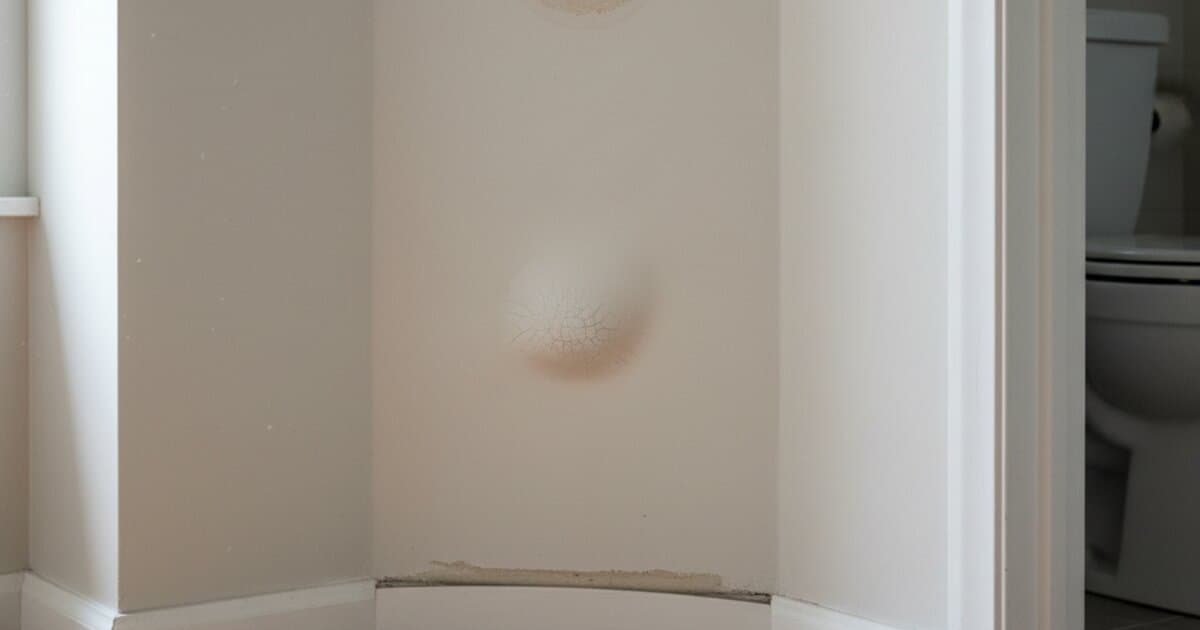
Yellowish-brown stains or water rings on walls and ceilings are classic signs of a hidden leak. These stains often appear near plumbing runs, around HVAC equipment, or beneath bathrooms on upper floors. The Insurance Information Institute reports that the average water damage claim costs $12,514 — and discoloration is often the first visible clue.
3. Warped or Buckled Flooring
Hardwood floors that are cupping, crowning, or buckling are responding to moisture from below. Laminate or vinyl flooring that feels soft, spongy, or uneven may also be hiding trapped water. These signs often indicate a slab leak or moisture intrusion from a crawl space.
4. Peeling or Bubbling Paint and Wallpaper
When moisture accumulates behind walls, it disrupts the bond between paint or wallpaper and the surface. Peeling, bubbling, or flaking finishes — especially in areas not exposed to steam — suggest moisture is migrating through the wall from a hidden source.
5. Unexplained Spike in Your Water Bill
A sudden increase in your water bill without a corresponding change in usage is a strong indicator of a hidden plumbing leak. The EPA estimates that household leaks waste nearly 10,000 gallons of water per year nationwide, and a single running toilet can waste 200 gallons per day. Monitor your water bill monthly and investigate any unexplained increases.
6. Visible Mold Spots
Small patches of mold on walls, baseboards, or ceilings — even tiny spots — indicate that moisture has been present long enough for biological growth to occur. The EPA recommends maintaining indoor humidity between 30% and 60% to prevent mold, but hidden leaks can create localized humidity well above that range regardless of your HVAC settings.
7. Damp or Soft Drywall
Press gently on drywall in suspect areas. If it feels damp, soft, or gives slightly under pressure, moisture has likely penetrated the material. Drywall that has absorbed water loses its structural integrity and will eventually crumble, sag, or collapse.
8. Sagging Ceilings
A ceiling that appears to bow, sag, or droop is holding water. This is a serious structural concern. Water-saturated ceiling drywall can weigh hundreds of pounds and may collapse without warning. If you notice ceiling sagging, evacuate the area and call a professional immediately.
9. Efflorescence on Concrete or Masonry
A white, chalky, or crystalline deposit on basement walls, concrete floors, or masonry surfaces indicates that water is migrating through the material and leaving mineral deposits behind. Efflorescence is a reliable sign of ongoing moisture intrusion, even if you cannot see the water itself.
10. Persistent Condensation Patterns
Condensation on windows is common in Florida, but persistent condensation on interior walls, pipes, or specific surfaces suggests excess moisture beyond normal humidity. These patterns often indicate a hidden leak or inadequate ventilation that is allowing moisture to accumulate.
Where to Check for Hidden Water Damage
Even if you do not see obvious signs, proactive inspection of common problem areas can catch damage early:
- Behind and beneath appliances — Refrigerators, dishwashers, washing machines, and water heaters are common leak sources. Pull them out and inspect quarterly.
- Under sinks — Kitchen and bathroom sink cabinets are prone to slow leaks from supply lines and drain connections.
- Around HVAC equipment — Air handlers, condensate lines, and ductwork in attics and closets can develop leaks that go unnoticed.
- In the attic — Roof leaks often show up in the attic before they reach your living space. Check for discoloration, damp insulation, and daylight.
- In crawl spaces — Moisture intrusion, standing water, and condensation in crawl spaces can affect flooring and structural elements above.
- Behind walls near plumbing — Bathrooms, kitchens, and laundry rooms have extensive plumbing behind walls that can develop pinhole leaks.
When to Call a Professional vs. DIY
Small, surface-level moisture issues — like minor condensation or a slow drip under a visible pipe — can often be addressed by a homeowner. However, you should call a professional if:
- You smell mold but cannot find the source
- Stains are growing or recurring after cleaning
- Multiple signs appear in the same area
- Flooring is warping or walls are soft
- Your water bill spikes without explanation
People First Restoration uses advanced technology including thermal imaging cameras and commercial-grade moisture meters to locate hidden water damage without destructive investigation. Our water damage repair team can pinpoint leaks behind walls, beneath floors, and above ceilings — then remediate the damage and address the source.
Thermal Imaging and Moisture Detection Technology
Professional restoration companies use specialized equipment to find hidden moisture that visual inspection alone cannot detect:
- Infrared thermal imaging cameras detect temperature differences in building materials caused by evaporative cooling from trapped moisture. This technology allows technicians to see water behind walls without cutting into them.
- Pin-type moisture meters measure the moisture content of specific materials by inserting probes into drywall, wood, or other surfaces.
- Pinless moisture meters use electromagnetic signals to detect moisture beneath surfaces without penetration — ideal for finished surfaces.
- Thermo-hygrometers measure ambient temperature and humidity to identify areas where conditions favor mold growth.
The IICRC S500 standard requires the use of moisture detection instruments during professional water damage assessment. These tools are not available at consumer-grade quality and represent a key reason professional inspection outperforms visual checks alone.
Take Action Early
The cost of repairing hidden water damage increases dramatically with time. What begins as a $500 plumbing repair can become a $15,000 restoration project if mold develops and structural materials must be replaced. If you notice stains or damage specifically on your ceiling, see our guide on ceiling water damage causes and repair. For a full overview of the water damage restoration process, visit our complete water damage guide. People First Restoration offers a free inspection for homeowners who suspect hidden water damage. We provide direct insurance billing and work with all major carriers.
Call us at (888) 278-8054 — available 24/7 for emergency restoration services throughout Central Florida.
Sources
- Insurance Information Institute (III) — Data on water damage claims frequency (29% of all homeowners claims) and average claim costs ($12,514).
- U.S. Environmental Protection Agency (EPA) — Indoor humidity guidelines (30-60%), household water leak statistics, and mold prevention recommendations.
- Centers for Disease Control and Prevention (CDC) — Health effects of mold exposure from hidden moisture, including respiratory and immune system impacts.
- IICRC S500 Standard for Professional Water Damage Restoration — Requirements for moisture detection instrumentation and professional assessment protocols.
- IICRC S520 Standard for Professional Mold Remediation — Guidelines for identifying and remediating mold caused by hidden water damage.