Florida's warm, humid climate makes it one of the most mold-prone states in the country. With NOAA reporting that Florida averages more than 100 days of thunderstorm activity annually, moisture intrusion is a constant threat. For homeowners and property managers across Central Florida — from Daytona Beach to Kissimmee — understanding mold is essential for protecting both your property and your health.
What Causes Mold Growth?
Mold thrives in warm, damp environments with organic materials to feed on. In Florida, the combination of high humidity, frequent rain, and warm temperatures creates ideal conditions for mold growth. The EPA states that indoor humidity should be maintained between 30% and 60% to prevent mold growth — a level that can be difficult to maintain in Florida without active dehumidification. Common causes include:
- Water leaks from plumbing, roofs, or windows
- Poor ventilation in bathrooms, kitchens, and laundry rooms
- Flooding from storms or plumbing failures
- Condensation on windows, pipes, and walls
- High indoor humidity levels (above 60%)
Signs of Mold in Your Home
Mold isn't always visible. Here are the warning signs to watch for:
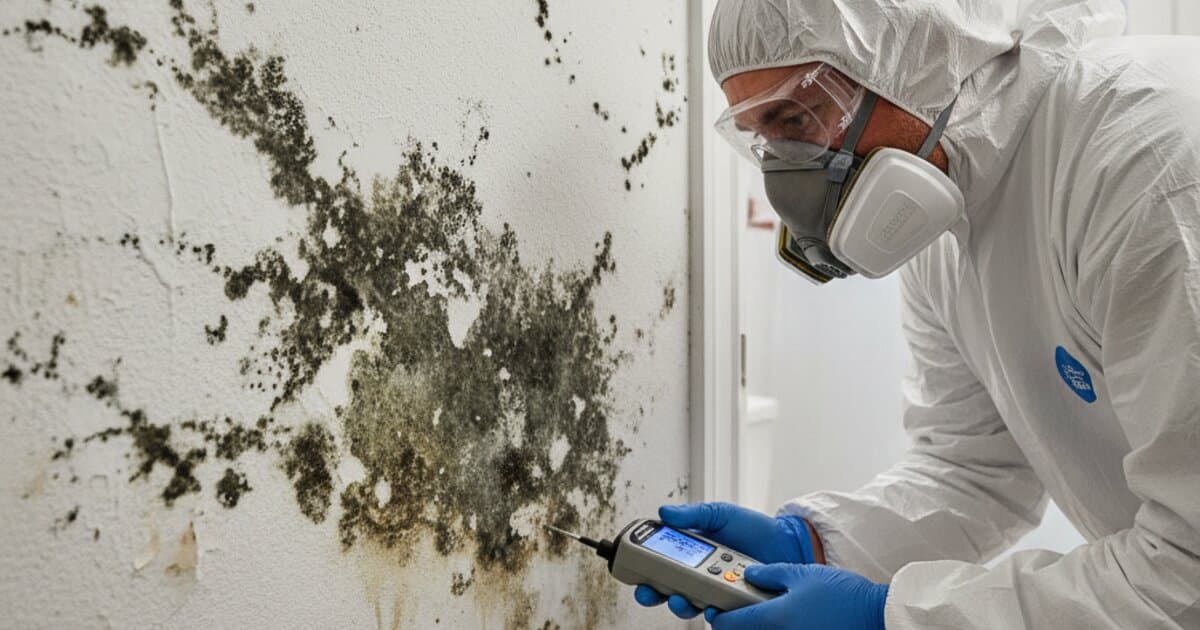
Visible Growth: Mold can appear as black, green, white, or even orange spots on walls, ceilings, floors, and other surfaces. It often starts in hidden areas like behind drywall, under carpets, or inside HVAC ducts.
Musty Odor: A persistent musty or earthy smell is one of the most common indicators of hidden mold. If you notice this odor in certain areas of your home, investigate further or call a professional.
Water Stains: Discoloration on walls or ceilings often indicates a moisture problem that can lead to mold growth. The Insurance Information Institute reports that water damage accounts for roughly 29% of all homeowners insurance claims — and untreated water damage is a leading cause of mold.
Health Symptoms: Unexplained allergic reactions, respiratory issues, persistent coughing, or irritated eyes and skin can be signs of mold exposure. The CDC confirms that exposure to damp and moldy environments is associated with upper respiratory symptoms, coughing, and wheezing.
Health Risks of Mold Exposure
Mold exposure can affect everyone differently, but common health effects include:
- Allergic reactions (sneezing, runny nose, red eyes)
- Asthma attacks in people with asthma
- Respiratory infections
- Skin irritation
- Headaches and fatigue
Children, elderly individuals, and people with compromised immune systems are particularly vulnerable to the health effects of mold. According to the CDC, people with chronic lung disease may develop mold infections in their lungs when exposed to indoor mold growth.
What to Do If You Find Mold
Do Not Disturb It: Disturbing mold can release spores into the air, spreading contamination and increasing health risks.
Avoid DIY Solutions: While small areas of surface mold (less than 10 square feet) can sometimes be cleaned with household products, larger infestations require professional remediation. Attempting to remove significant mold growth yourself can actually make the problem worse. Professional mold remediation typically ranges from $1,500 to $9,000 depending on the extent of the contamination.
Call a Professional: For any mold growth that covers more than a small area, or for mold in HVAC systems, crawl spaces, or behind walls, contact a professional mold remediation company. People First Restoration offers a free mold inspection to assess the scope of your situation.
Professional Mold Removal Process
At People First Restoration, our IICRC-certified team follows a thorough process aligned with the IICRC S520 Standard for Professional Mold Remediation. The S520 standard emphasizes that effective mold remediation must include eliminating the moisture source — not just removing visible mold:
- Inspection and Assessment — We identify all areas of mold growth and determine the moisture source.
- Containment — We isolate affected areas to prevent spore spread during removal.
- Air Filtration — HEPA air scrubbers capture airborne mold spores.
- Mold Removal — We remove mold-contaminated materials and treat surfaces.
- Drying and Dehumidification — We eliminate the moisture that caused the mold. Per the IICRC S500 standard, professional drying should bring materials to equilibrium moisture content within 3 to 5 days.
- Restoration — We repair or replace any materials removed during remediation.
Preventing Mold in Your Florida Home
Prevention is always better than remediation. Keep mold at bay with these tips:
- Maintain indoor humidity between 30% and 60% as recommended by the EPA (use a dehumidifier if needed)
- Run exhaust fans in bathrooms and kitchens
- Fix leaks promptly — even small drips can fuel mold growth within 24 to 48 hours
- Ensure proper ventilation throughout your home
- Clean and maintain your HVAC system regularly
Get Help Now
If you suspect mold in your Central Florida home or business, don't wait. For more in-depth information on identification, prevention, and remediation, explore our complete mold guide. Call People First Restoration at (888) 278-8054 for a free inspection and professional mold removal services. We offer direct insurance billing and work with all major carriers to streamline your claim.
Sources
- U.S. Environmental Protection Agency (EPA) — Indoor humidity guidelines and mold prevention recommendations for homeowners.
- IICRC S520 Standard for Professional Mold Remediation — Industry protocols for mold assessment, containment, and remediation.
- IICRC S500 Standard for Professional Water Damage Restoration — Professional drying timelines and moisture control standards.
- Centers for Disease Control and Prevention (CDC) — Health effects of mold exposure, including respiratory symptoms and at-risk populations.
- Insurance Information Institute (III) — Data on water damage claims and their connection to mold development.