
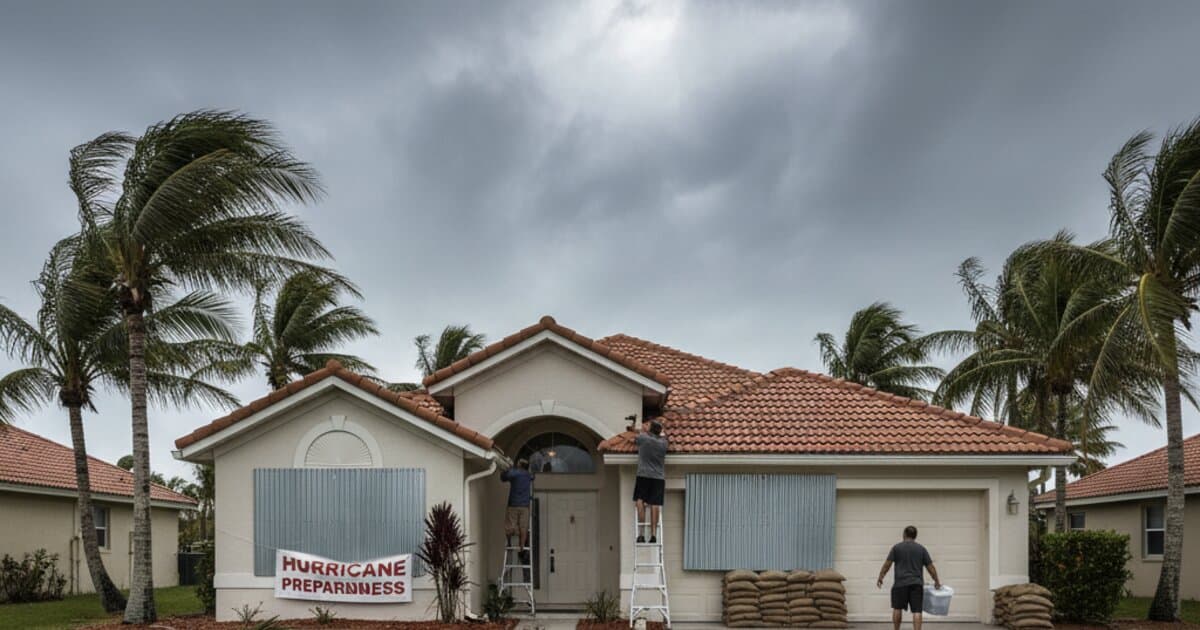
As designated by the Florida Division of Emergency Management, hurricane season in Florida runs from June 1 through November 30, and for Central Florida property owners, preparation is not optional — it's essential. While Central Florida is inland compared to coastal areas, the region is still highly vulnerable to hurricane-force winds, torrential rain, flooding, and tornadoes spawned by tropical systems. NOAA reports that Florida averages more than 100 days of thunderstorm activity annually, and tropical systems only add to that risk.
Before Hurricane Season Begins
Inspect Your Roof Have a professional inspect your roof for loose or missing shingles, damaged flashing, and other vulnerabilities. A compromised roof is the number one cause of water intrusion during hurricanes. Roof inspections typically cost between $150 and $400 — a small investment compared to the cost of storm damage.
Check Your Windows and Doors Ensure all windows and doors seal properly. Consider installing hurricane shutters or impact-resistant windows if you haven't already. Even in inland areas like Orlando, Sanford, and Lake Mary, wind-driven rain can cause significant water damage through poorly sealed openings. According to FEMA, just one inch of flood water can cause approximately $25,000 in damage to a home.
Clean Your Gutters and Drains Clear all gutters, downspouts, and drainage areas of debris. Blocked drainage systems can cause water to pool around your foundation, leading to flooding and water damage.
Trim Trees and Landscaping Remove dead branches and trim trees that are close to your home. During high winds, loose branches become projectiles that can break windows, damage roofs, and create entry points for water.
Review Your Insurance Coverage Review your homeowner's insurance policy well before a storm threatens. Understand what's covered and what isn't. Flood insurance is separate from standard homeowner's insurance and, as the National Flood Insurance Program notes, must be purchased at least 30 days before it takes effect. The Insurance Information Institute reports that water damage accounts for roughly 29% of all homeowners insurance claims, making proper coverage critical.
Create an Emergency Plan
Stock Emergency Supplies Prepare a supply kit with water, non-perishable food, flashlights, batteries, a first-aid kit, important documents, and medications for at least 72 hours. FEMA recommends one gallon of water per person per day as a baseline.
Know Your Evacuation Zone Even in Central Florida, certain low-lying areas may be subject to evacuation orders. Know your zone and have a plan for where you'll go. The Florida Division of Emergency Management maintains an evacuation zone lookup tool at FloridaDisaster.org.
Document Your Property Take detailed photos and videos of your home, personal belongings, and any valuables. Store these records digitally in a cloud backup or secure location outside your home. This documentation is critical — the average homeowners insurance claim for water damage is $12,514 according to the Insurance Information Institute.
When a Storm is Approaching
Once a hurricane watch or warning is issued for your area, take immediate action to protect your property:
- Install hurricane shutters or board up windows
- Bring in outdoor furniture, grills, and decorations
- Fill your car's gas tank
- Charge all devices and portable batteries
- Turn your refrigerator and freezer to their coldest settings
After the Storm
If your property sustains damage during a hurricane, contact People First Restoration immediately at (888) 278-8054 for a free damage inspection. Our team provides emergency tarping and board-up services, water extraction, and full storm damage restoration throughout Central Florida. The EPA recommends maintaining indoor humidity between 30% and 60% after water intrusion to prevent mold growth — our professional drying equipment is designed to achieve exactly that.
We work with all major insurance companies through direct insurance billing and will help you navigate the claims process from start to finish.
Be Prepared, Not Scared
Preparation is the best defense against hurricane damage. By taking proactive steps before storm season, Central Florida property owners can significantly reduce the risk and severity of hurricane-related damage. For a deeper dive into preparation strategies, visit our complete storm preparation guide.
People First Restoration is here for you — before, during, and after the storm.
Sources
- Florida Division of Emergency Management — Official hurricane season dates and evacuation zone guidance for Florida residents.
- NOAA (National Oceanic and Atmospheric Administration) — Data on Florida thunderstorm frequency and tropical weather patterns.
- FEMA (Federal Emergency Management Agency) — Flood damage cost estimates and emergency preparedness guidelines.
- National Flood Insurance Program (NFIP) — Flood insurance policy requirements, including the 30-day waiting period.
- Insurance Information Institute (III) — Statistics on homeowners insurance claims frequency and average claim amounts.